
Why HILIC Columns Deliver Superior Control for Challenging Polar Analytes
Hydrophilic interaction liquid chromatography, commonly known as HILIC, has become an essential technique for laboratories working with highly polar compounds that are difficult to retain using traditional reversed phase methods. As analytical demands grow more complex, HILIC columns provide a reliable solution by offering stronger retention, improved selectivity, and consistent performance for analytes that would otherwise elute too quickly or coelute with solvents.
HILIC columns operate on a unique separation mechanism that combines aspects of normal phase chromatography with reversed phase workflows. A polar stationary phase is paired with a mobile phase rich in organic solvent, typically acetonitrile with a controlled amount of water. This environment creates a water-enriched layer on the stationary phase surface, allowing polar compounds to partition effectively and separate based on subtle differences in polarity and hydrophilicity. The result is enhanced retention and sharper peak shapes for compounds that are often challenging to analyze.
Optimized HILIC columns are especially valuable in applications involving pharmaceuticals, metabolites, carbohydrates, nucleotides, and other small polar molecules. These analytes frequently exhibit poor behavior in conventional chromatographic systems, leading to weak signals and unreliable data. With HILIC, retention becomes predictable, resolution improves, and method development becomes more manageable. This level of control supports accurate quantification and confident identification, even in complex sample matrices.
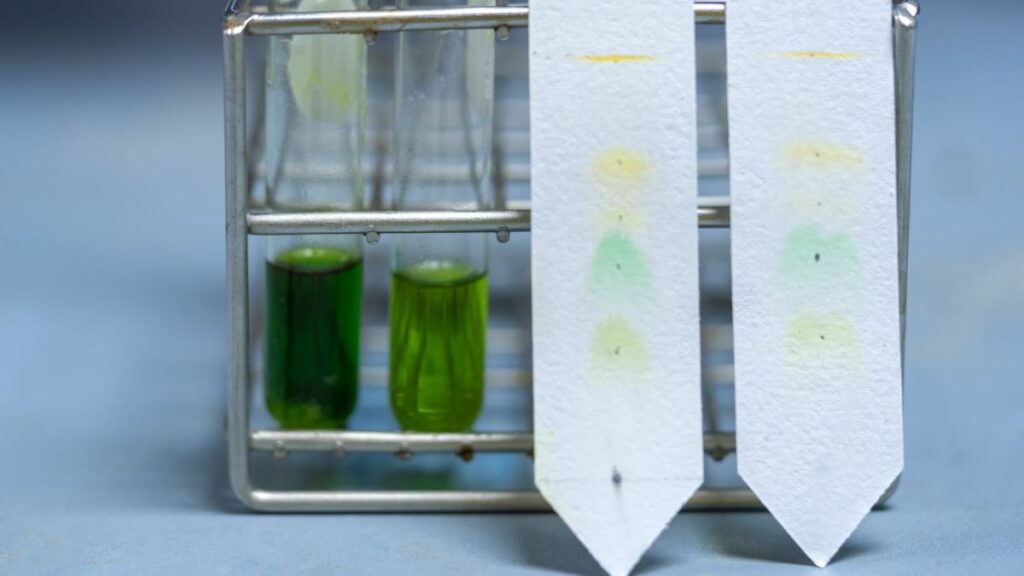
Performance consistency is another key advantage of well-designed HILIC columns. Stable stationary phase chemistry and controlled surface properties contribute to reproducible results across multiple runs. When laboratories rely on consistent retention times and peak shapes, comparing data between samples, batches, or instruments becomes far more straightforward. This reliability is particularly important in regulated environments where repeatability and documentation are critical.
HILIC columns also offer flexibility in method optimization. Adjustments to water content, buffer concentration, and pH can significantly influence retention and selectivity, giving analysts precise control without overcomplicating the workflow. This adaptability allows methods to be fine-tuned for specific compounds while maintaining robustness. Over time, this efficiency reduces troubleshooting and supports smoother analytical operations.
For laboratories focused on polar compound analysis, HILIC columns provide a powerful balance of retention, performance, and reliability. By addressing the limitations of other chromatographic techniques, they open the door to clearer separations and more dependable data. When optimized and applied correctly, HILIC columns become an indispensable tool for achieving high-quality results in modern analytical science.